
Many premium events are underplayed in marketing. A brand buys a sponsorship, gains visibility on-site, posts a few photos, and hopes the moment lingers. The problem: an event is brief. The real impact is built before and after. Brands that treat premium events as a publishing occasion turn a date on the calendar into a stage, guests into a target audience, and atmosphere into a reusable sales asset.
This is especially decisive in automotive, motorsport, luxury, hospitality, and business networking. A logo on a wall proves little. A well-told host narrative proves access, conviction, and relevance. It shows why this brand belongs in this environment as a matter of course.
Why Sponsorship Without a Story Fades Too Fast
Sponsorship is often sold by surface area: logo on vehicle, logo on banner, logo in invitation, logo on website. That visibility is not worthless. But it does not answer the most important question: what role does the brand play in the experience? Is it merely a payer, an exhibitor, an enabler, a host, an expert, or a curator?
Premium brands should not leave that role to chance. A solid publishing concept defines it before the event begins. The preview piece explains the occasion and its relevance. The invitation sets the tone. The coverage captures atmosphere and people. The follow-up consolidates learnings, images, and next steps. The result is a content arc that simultaneously serves sales, social, PR, and search visibility.
The Host Role Drives More Sales Than a Logo Impression
A host builds relationships. They invite, contextualise, connect people, and create a reason for a conversation. That is exactly why the host role is so powerful for premium events. It suits dealership events, test drives, motorsport hospitality, Circle Tour-adjacent formats, private viewings, fine-dining evenings, and partner programmes.
Sales benefits because the contact does not emerge from nothing. After an event, the team can reference a shared experience, a published recap, a photo story, or a specific topic. The conversation starts warmer. The brand is not just a sender but part of a moment the guest will remember.
| Phase | Publishing Task | Sales Value |
|---|---|---|
| Before the event | Explain the occasion, audience, and host role | The invitation feels more premium and targeted |
| During the event | Capture images, quotes, scenes, and details | Sales gains genuine conversation starters |
| Immediately after | Publish recap, gallery, quotes, and next steps | The moment stays visible for guests and non-guests alike |
| Long-term | Build thematic arc, FAQ, and search structure | The event becomes a lasting source of visibility |
Why motorsport and automotive are a particularly strong fit
Motorsport and premium automotive offer a rare combination: sharp visuals, genuine tension, engineering, team performance, access and business hospitality. This isn’t just B2C content – it’s B2B conversation material too. A partnership like Team Proton demonstrates how sporting narrative, sponsorship logic and networking can be translated into a publishing programme.
What matters is keeping the layers clean. A race weekend can reach fans. A hospitality invitation can activate clients and partners. A post-event report can deliver search visibility and social content. An interview can build personal authority. Together, these elements form an architecture that is far more than a single event post.
Premium events deserve better visuals
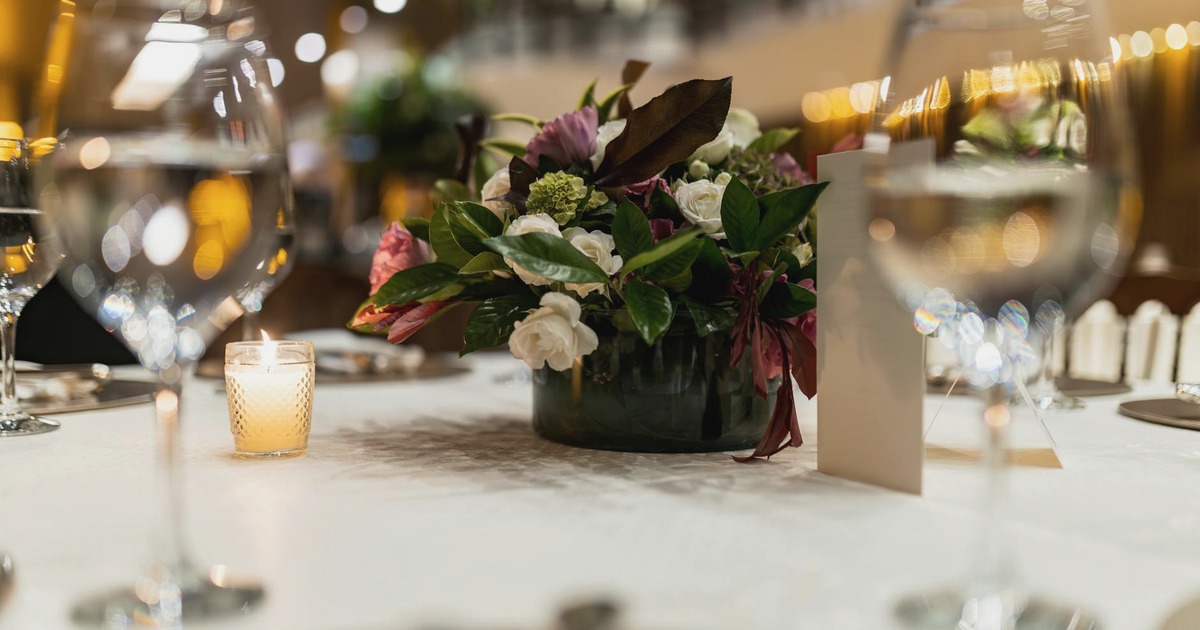
Many event write-ups fall short on imagery. Too many group shots, too little atmosphere. Too many logos, too little action. Too many stage sets, too few telling details. Premium events need images that pull people back into the moment: arrivals, materials, light, vehicle details, hands, table settings, the pit lane, conversations, views of the track, a laid table, preparations in progress.
These images have to be planned in advance. Anyone who asks which photos are available after the event has already missed the most important part. The best publishing run starts with a shot list: Which scenes prove access? Which details convey style? Which individuals are cleared to appear? Which visuals can sales reuse later?
From coverage to lead pipeline
An event article shouldn’t end with “it was a lovely evening.” It should open a next action: an invitation to the next format, a consultation, a test drive, a partner conversation, a newsletter sign-up, a private viewing, or a photo gallery download. That action has to fit the event. The more premium the setting, the quieter and more precise the CTA should be.
This is where content and performance publishing part ways. Content documents. Performance publishing leads somewhere. With Content Distribution, the piece reaches not only existing guests but also relevant audiences who haven’t yet encountered the occasion.
Frequently Asked Questions
When should publishing enter the event planning process?
Before the invitations go out. That way, the role, story, visuals, CTA and follow-up can align from the start. Retrospective content exploitation tends to feel thinner, because the decisive scenes were never planned for.
Does every sponsor need their own story?
Not necessarily. What matters is which partners play a genuine role in the experience. A partner who is merely visible doesn’t need a contrived article. One who contributes access, expertise, a product or hosting quality should be given editorial context.
How do you measure event publishing?
Through verified readers, time on page, social amplification, invitation responses, contact requests, newsletter interest and sales feedback. Not every signal translates immediately into a lead, but every strong run should generate traceable indicators.
When an event should do more than just happen – when it should leave a lasting impression – Native Advertising connects the editorial stage with distribution, tracking and a clear next step.


